

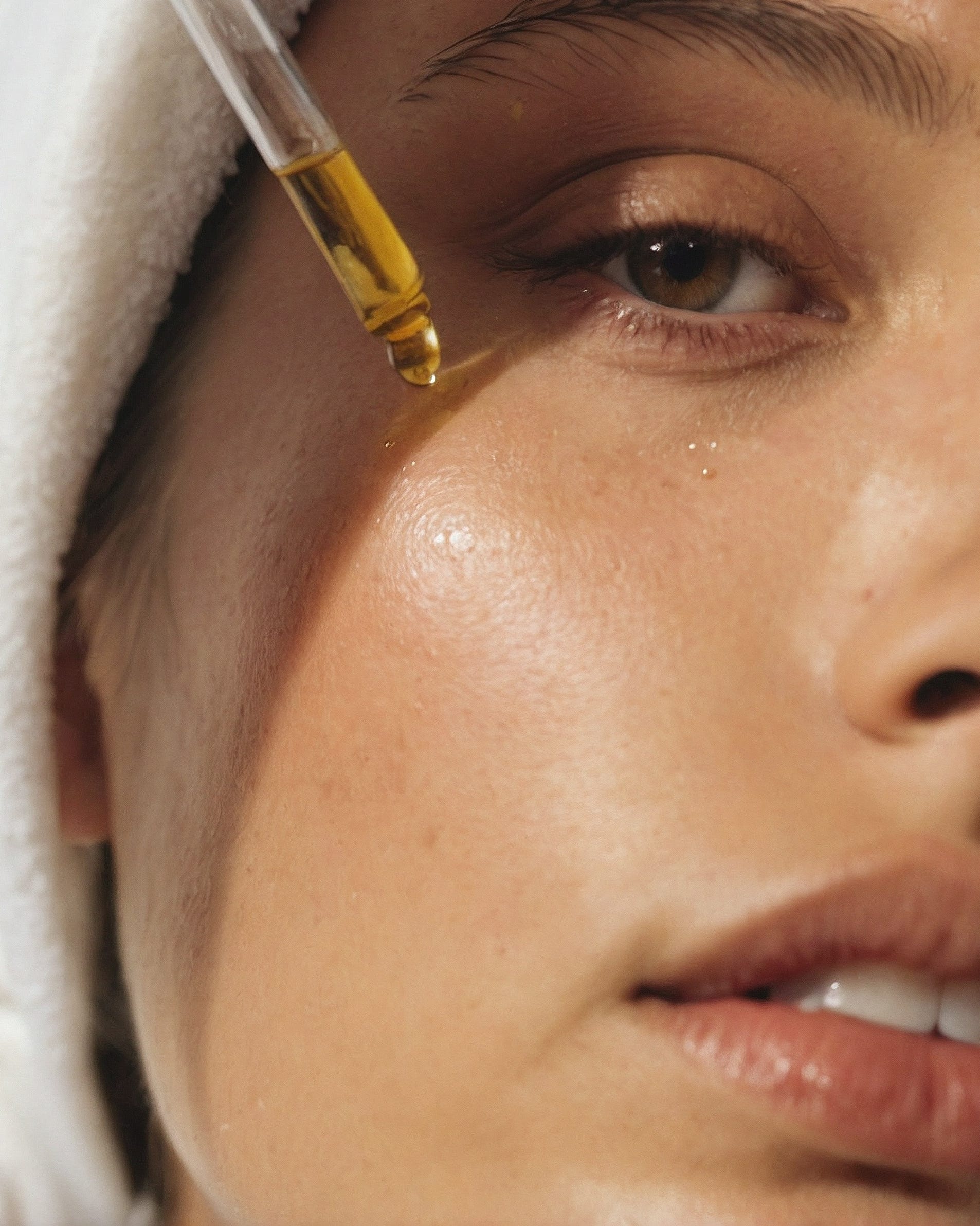
We all want radiant, glowing skin. While serums, creams, and masks can help, true skin health starts from within. What you eat and drink plays a vital role in how your skin looks, feels, and ages. In this post, we'll dive into the science behind nutrition, hydration, and their profound impact on your skin.
Skin: Your Body’s Outer Mirror
Your skin is the largest organ in your body and acts as a barrier to protect you from the environment. But it also reflects what's happening internally. Dry patches, breakouts, or dullness can often be linked to diet and hydration levels.
To achieve vibrant skin, it’s essential to nourish it from the inside out. Here’s how:
1. Nutrients for Radiant Skin
Healthy Fats
Omega-3 and Omega-6 fatty acids are crucial for maintaining your skin’s moisture barrier. Foods like salmon, walnuts, flaxseeds, and chia seeds reduce inflammation and prevent dryness.
Pro Tip: Add a drizzle of flaxseed oil to your morning smoothie for an extra omega boost.
Antioxidants
Vitamins A, C, and E, along with zinc and selenium, help protect your skin from oxidative stress caused by sun exposure and pollution.
Vitamin C: Found in citrus fruits, bell peppers, and strawberries, it boosts collagen production for firmer skin.
Vitamin E: Found in almonds, sunflower seeds, and spinach, it combats free radicals that age the skin.
Zinc and Selenium: Found in pumpkin seeds, eggs, and Brazil nuts, these minerals support healing and prevent breakouts.
Collagen Builders
Collagen is a protein that provides structure to your skin, keeping it plump and youthful. While collagen naturally decreases with age, you can support its production by consuming bone broth, fish, or collagen supplements alongside vitamin C-rich foods.
2. Hydration: The Skin’s Best Friend
Dehydrated skin often appears flaky, tight, and dull. Drinking enough water flushes out toxins and delivers nutrients to your skin cells.
How Much Water Do You Need?
Aim for at least 8 glasses a day, but remember, your body size, activity level, and climate can affect this number. Include hydrating foods like cucumbers, watermelon, and oranges to complement your water intake.

Hydration Tips for Glowing Skin:
Start your morning with a glass of warm water and lemon to jumpstart hydration.
Carry a water bottle as a visual reminder to sip throughout the day.
Incorporate herbal teas like chamomile or green tea for added skin-friendly antioxidants.
3. What to Avoid
Just as some foods nourish your skin, others can harm it. Here are some common culprits:
Sugar: High sugar intake can lead to glycation, a process that damages collagen and elastin, causing premature wrinkles.
Processed Foods: These often contain artificial additives and unhealthy fats that can trigger inflammation.
Excess Salt: Overdoing sodium can dehydrate your skin, leading to puffiness and dullness.
4. Building a Skin-Nourishing Meal Plan
Here’s a sample day of meals designed to give your skin a natural glow:
Breakfast: Greek yogurt with mixed berries, walnuts, and a drizzle of honey.
Lunch: Grilled salmon with quinoa, steamed broccoli, and a side of avocado slices.
Snack: Sliced cucumber and carrot sticks with hummus.
Dinner: Roasted chicken, sweet potatoes, and sautéed spinach.
Dessert: Dark chocolate (70% cacao or higher) and herbal tea.
5. The Skin-Hydration Connection in Action
Hydration doesn’t stop at drinking water. Consider topical hydration from products that contain humectants like hyaluronic acid and glycerin. Combining these with proper internal hydration ensures your skin stays supple and smooth.
Final Thoughts
Skin health is about balance and consistency. By prioritizing nutrient-dense foods and proper hydration, you’re not just improving your skin—you’re enhancing your overall health and well-being.
The next time you think about upgrading your skincare routine, remember to start from within. A well-fed body creates the foundation for a glowing complexion.