Inside this issue: An immersive guide to reclaiming slowness as a quiet power move. We explore why pace anxiety keeps you rushing, the science behind deliberate calm, and how to design anchor rituals and pauses that protect your glow.
The modern woman has been trained to move at the speed of her inbox. Quick replies are framed as professionalism, packed calendars as ambition, late-night laptop glow as proof of dedication. We equate acceleration with importance, mistaking velocity for vitality. And yet, beneath the polished exterior of the always-on lifestyle, something quieter lingers: exhaustion disguised as efficiency.
It’s an illusion, one that convinces us that to matter, we must move faster. Faster answers, faster results, faster reinventions of ourselves. But the women who truly radiate? They’ve learned to break that spell. They embody a rare kind of presence, one that rejects frenzy in favor of rhythm. They still achieve, but they do so without sprinting toward burnout.
Because here’s the paradox: slowing down doesn’t mean losing ground. In fact, it’s often the most strategic way to get ahead. The calm decision lands better than the rushed response. The pause before speaking creates impact. The woman who isn’t gasping for breath as she crosses each finish line isn’t behind. She’s the one setting the tempo that everyone else struggles to follow.
Speed has long been sold as success. From the early 2000s “rise and grind” mantras to today’s Silicon Valley obsession with scaling everything at lightning pace, culture has equated acceleration with aspiration. The faster you move, the more serious you seem. A booked-out calendar became shorthand for relevance, a 5 a.m. wakeup for discipline, a constant stream of projects for worth.
The aesthetic followed suit. We embraced fast fashion — the thrill of instant trend adoption, wardrobes flipped overnight. Fast wellness promised the same: seven-day cleanses, thirty-minute biohacks, powders that promised transformation “by morning.” In every corner of lifestyle, velocity became a virtue. To be slow was to be late.
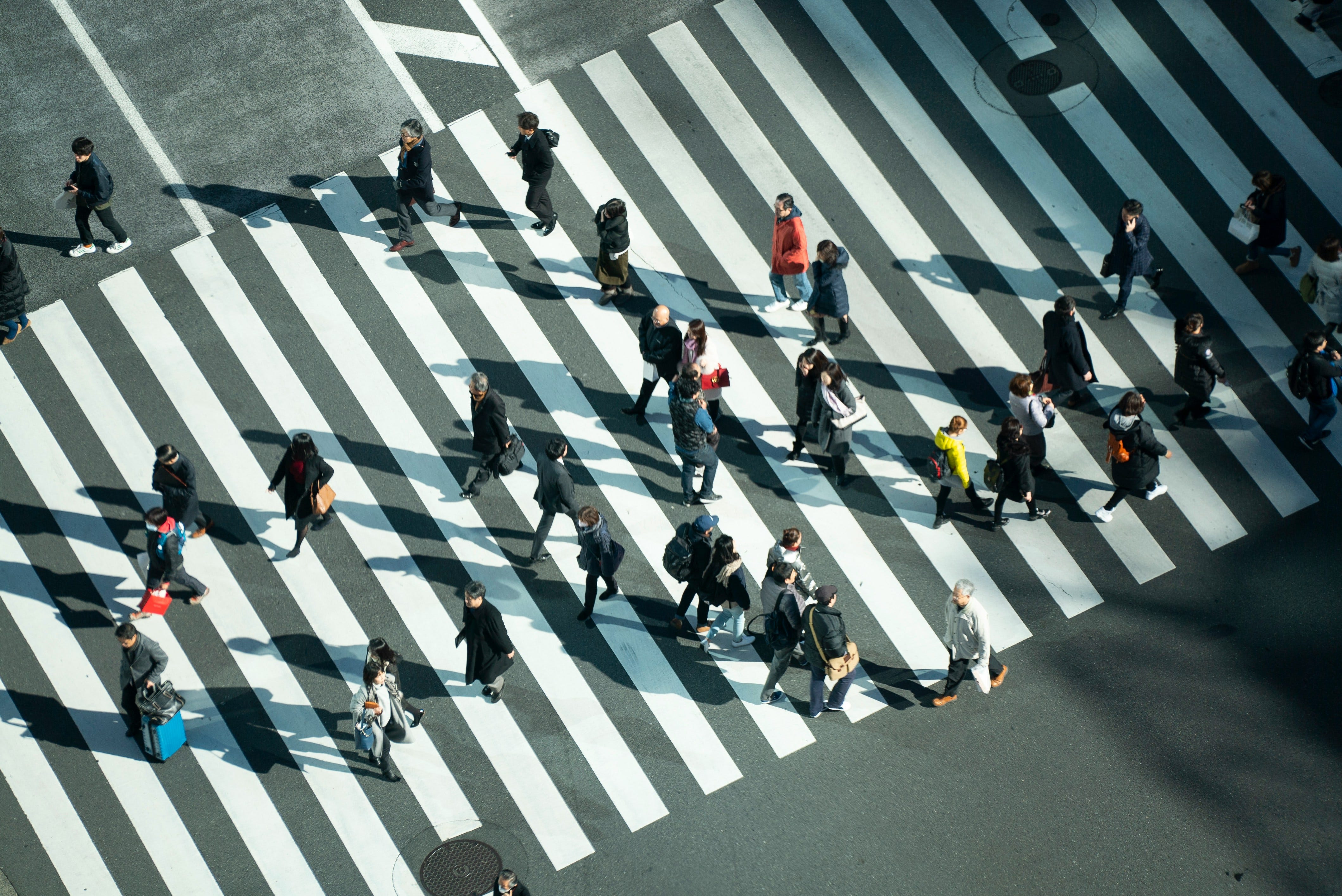
Photo: Conrad Alexander
But beneath the churn, something subtler began to shimmer. A quiet resistance, not shouted in hashtags but embodied in energy. The woman who lingers over her coffee rather than rushing with it on the go. The one who lets texts sit unanswered until she’s ready to reply with presence. The one who chooses quality over immediacy — in purchases, in routines, in relationships.
This is the new flex: slowness as a signal of sovereignty. To take one’s time is to broadcast that you have it. That your value doesn’t hinge on speed. That you’re curating, not scrambling. And in a world addicted to acceleration, nothing feels more luxurious than refusing to be rushed.
If speed has become a cultural flex, then slowing down often feels like failure. Women especially are conditioned to equate motion with meaning — if you’re not busy, you’re behind. This is why even the thought of pausing, of letting a day breathe, can stir guilt. It’s not just the fear of tasks left undone; it’s the deeper, unspoken fear of being perceived as less capable, less ambitious, less enough.
Psychologists call this urgency addiction: the compulsion to treat every ping, email, or task as immediate, even when the stakes are low. The brain rewards the rush with quick dopamine hits, tricking us into mistaking constant reaction for progress. We check the box, but rarely move the needle.