Why Everyone Is Tracking Everything (and Actually Feeling Worse)
A research-backed look at how modern wellness tracking is reshaping how we experience our bodies, and why more data isn’t always making us healthier
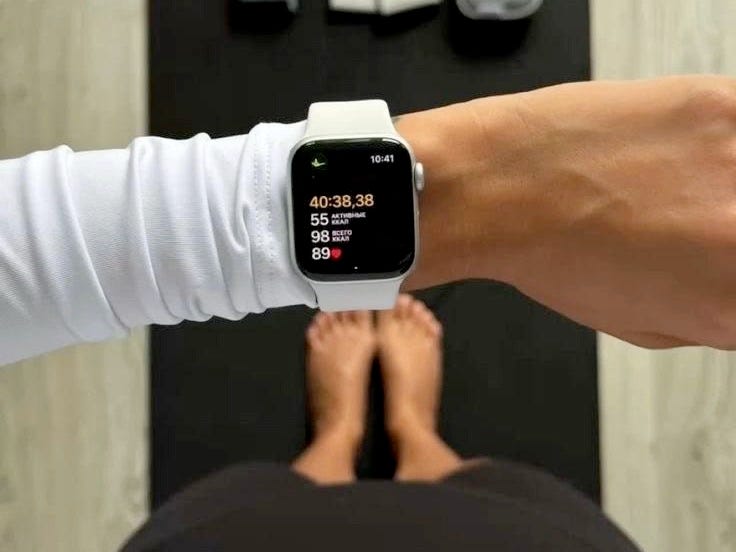
Tracking has quietly become part of everyday wellness. You wake up to a sleep score, check your steps throughout the day, think about macros at meals, and maybe glance at your heart rate or recovery before deciding how to move. There’s now a number attached to almost everything.
On the surface, it makes sense. More awareness should mean better decisions, better habits, better health. But for a lot of people, the experience doesn’t actually feel better. It feels more pressured, more monitored, and at times, more confusing than helpful.
Today’s GLWGuide takes a closer look at what’s really going on. We’re walking through the research behind modern tracking: how it affects behavior, stress, and self-perception, and why more data isn’t always translating into feeling healthier. The goal today isn’t to dismiss tracking completely, but to understand where it starts to shift from useful to overwhelming, so you can see it more clearly in your own routine!

To understand why tracking can start to feel overwhelming, it helps to look at the patterns more closely. This section breaks down the most common ways constant tracking is shaping how people think, feel, and behave around their health. Each point focuses on a specific shift that research has started to highlight: from how we relate to sleep and food, to how we interpret data, to how we make decisions about our bodies day to day.
Taken together, they paint a clearer picture of what’s happening beneath the surface, and why something that’s meant to support your health can, over time, start to feel like it’s working against it!


Sleep tracking was introduced with a simple goal: to give people more awareness of how they’re sleeping. In theory, that awareness should help improve habits and lead to better rest. But research has started to show a different side of it. Studies have identified a pattern now referred to as “orthosomnia,” where people become overly focused on achieving perfect sleep data, often at the cost of actually feeling rested.
Instead of using the data as a general reference point, it can slowly become the main measure of whether the night was “good” or “bad.” Over time, that shift changes the experience of sleep itself. People begin to rely on the score rather than on how they feel when they wake up. A low score can create tension or disappointment before the day even begins, even if the body might have felt fine otherwise. Sleep, which is naturally variable and influenced by so many factors, starts to feel like something that needs to be controlled and optimized every night.
The result is subtle but significant. What used to be a background process becomes something you monitor, evaluate, and try to perfect. The score becomes the starting point, not the body.